Archives
- 2026-07
- 2026-06
- 2026-05
- 2026-04
- 2026-03
- 2026-02
- 2026-01
- 2025-12
- 2025-11
- 2025-10
- 2025-09
- 2025-04
- 2025-03
- 2025-02
- 2025-01
- 2024-12
- 2024-11
- 2024-10
- 2024-09
- 2024-08
- 2024-07
- 2024-06
- 2024-05
- 2024-04
- 2024-03
- 2024-02
- 2024-01
- 2023-12
- 2023-11
- 2023-10
- 2023-09
- 2023-08
- 2023-07
- 2023-06
- 2023-05
- 2023-04
- 2023-03
- 2023-02
- 2023-01
- 2022-12
- 2022-11
- 2022-10
- 2022-09
- 2022-08
- 2022-07
- 2022-06
- 2022-05
- 2022-04
- 2022-03
- 2022-02
- 2022-01
- 2021-12
- 2021-11
- 2021-10
- 2021-09
- 2021-08
- 2021-07
- 2021-06
- 2021-05
- 2021-04
- 2021-03
- 2021-02
- 2021-01
- 2020-12
- 2020-11
- 2020-10
- 2020-09
- 2020-08
- 2020-07
- 2020-06
- 2020-05
- 2020-04
- 2020-03
- 2020-02
- 2020-01
- 2019-12
- 2019-11
- 2019-10
- 2019-09
- 2019-08
- 2018-07
-
Introduction Innate lymphoid cells ILCs are recently
2020-12-24
Introduction Innate lymphoid abt 737 (ILCs) are recently described immune cells of lymphoid origin and include cytotoxic natural killer (NK) cells and interleukin-7 receptor alpha (also known as CD127)+ subsets, which, similar to T helper (Th) lymphocytes, can be distinguished on the basis of sign
-
The LNX ligand of numb protein X or PDZRN PDZ
2020-12-24
The LNX (ligand of numb protein-X) or PDZRN (PDZ and RING) family of proteins consists of five members (LNX1–LNX5), the first four of which act as E3‐ubiquitin ligases in various roles, as reviewed elsewhere [14]. LNX proteins comprise a RING domain and two to four PDZ (PSD-95, DlgA, ZO-1) domains [
-
A different example of substrate dependent activation is see
2020-12-23
A different example of substrate-dependent activation is seen in CSN5, a JAMM-type DUB found in the eight subunit COP9 signalosome (CSN) [34]. The CSN deconjugates NEDD8 (neural precursor cell expressed developmentally downregulated 8) from Cullin Ring ubiquitin E3 ligases (CRLs). Through this acti
-
Our data also showed that D dopamine receptor
2020-12-23
Our data also showed that D2 dopamine receptor was down-regulated in the hippocampus, NAc and striatum of F1-MEP animals, which was only significant in the hippocampus. Both agonists and antagonists of D2 dopamine receptor are able to decrease heroin self-administration (Hemby et al., 1996; Rowlett
-
br Introduction Natural killer NK cells have an unique
2020-12-23
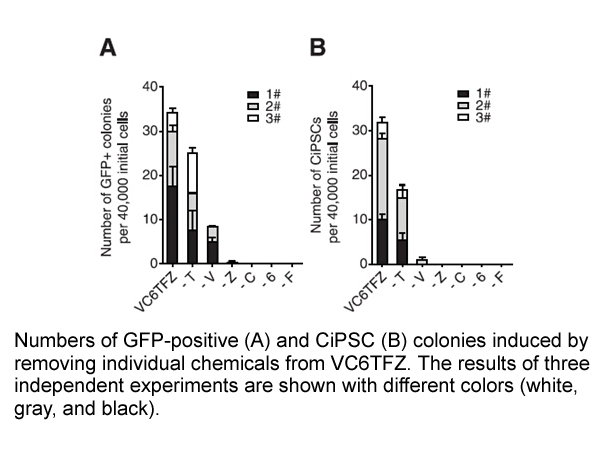
Introduction Natural killer (NK) cells have an unique ability to directly lyse transformed, virus-infected or stressed cells without prior sensitization or major histocompatibility complex (MHC) class I restriction [1], [2]. They were initially defined and shown to be important effectors of the
-
Cys LT have been shown to be critical
2020-12-23
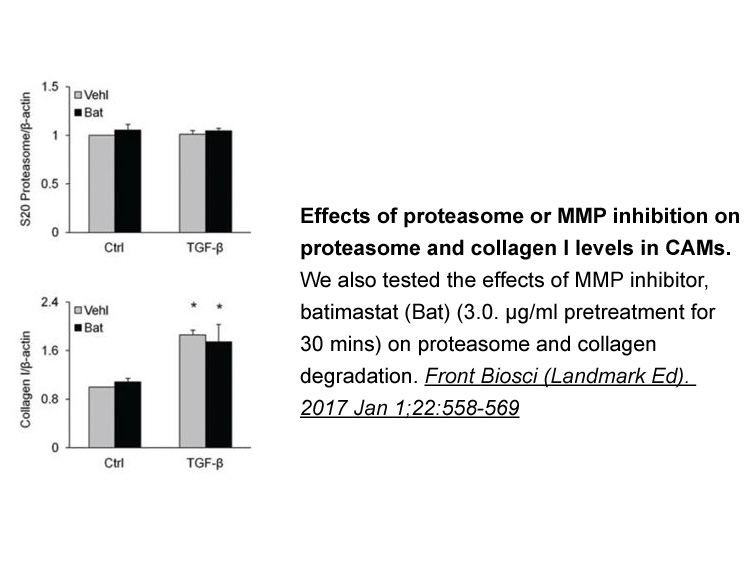
Cys-LT have been shown to be critical for stimulation of monocytes to produce various proinflammatory factors [32,67]. Fig. 3 shows results obtained with human peripheral monocyte-derived macrophages differentiated for 6 days with 20 ng/ml macrophage colony-stimulating factor (M-CSF) and challenged
-
Most data regarding fish CXCR functions
2020-12-23
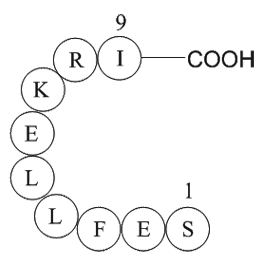
Most data regarding fish CXCR4 functions have accumulated from work in zebrafish where a range of genetic tools and imaging technologies have been developed. As mentioned above, in teleost fish the two CXCR4s (CXCR4a and 4b) are assumed to interact with two ligands (CXCL12a and 12b) and this differ
-
Studies have shown that the cultivation of BMSCs under
2020-12-23
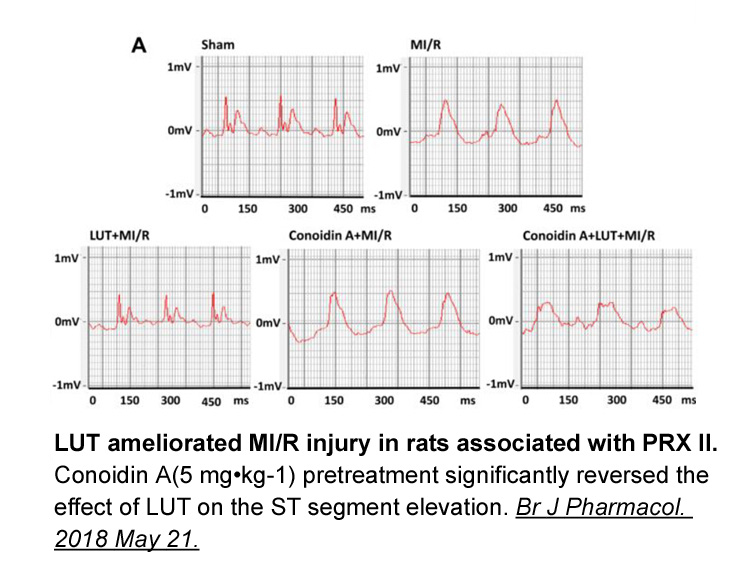
Studies have shown that the cultivation of BMSCs under hypoxic conditions, treating with cytokines (such as HGF, IGF-1 and IL-6) and viral-mediated CXCR-4 gene delivery have been shown to re-establish CXCR-4 expression on the surface of stem Sulfo-NHS-Biotin receptor (Liu et al., 2010, Liu et al.,
-
br Materials and methods br Results and discussion In the
2020-12-23

Materials and methods Results and discussion In the present work, we have applied two methodologies, CoMFA and CoMSIA to build 3D-QSAR models. There is no crystal structure available; therefore, an indirect method i.e., a ligand-based approach is the method of choice. The highly active molecul
-
Our results indicate that C
2020-12-23
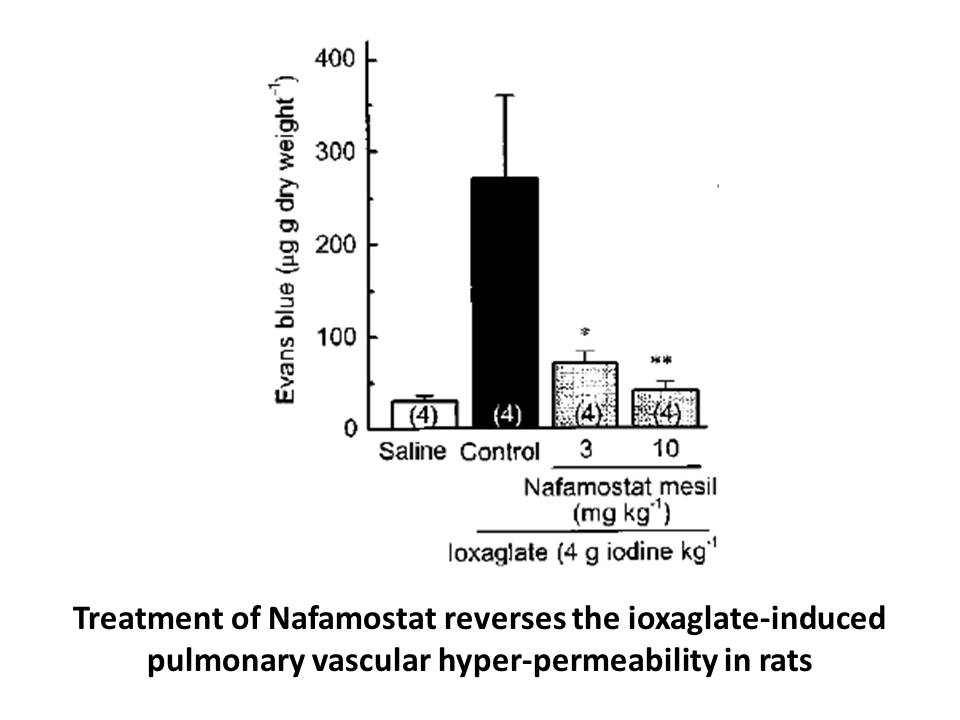
Our results indicate that C75-CoA is formed in the hypothalamus following stereotaxic injection of C75. Inhibition of hypothalamic CPT1 by C75-CoA in vivo, as seen in our experiments, is independent of the putative inhibition by malonyl-CoA, which may be formed after the action of C75 either on FAS
-
br Limitations of the study br Possible
2020-12-23
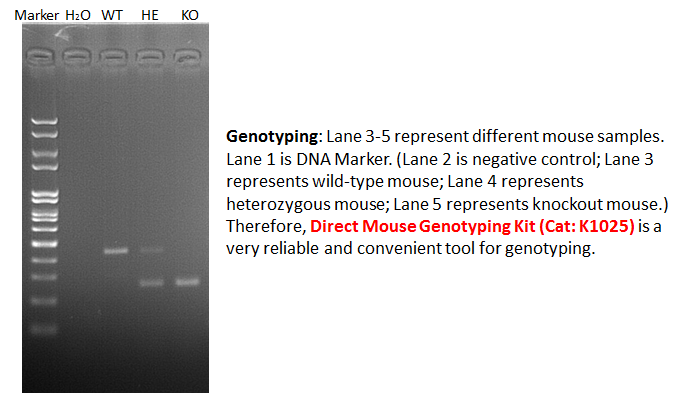
Limitations of the study Possible conflicts of interest Dr. Fayemiwo or SAF has received full financial support from Europe Gilead Sciences Ltd. for his M.Sc. degree programme in Medical Mycology and has been paid for talks on behalf of AstraZeneca and GSK. Caroline Moore or CBM has received
-
br Bipartite graph br Algorithm for CFC br Error detection
2020-12-23
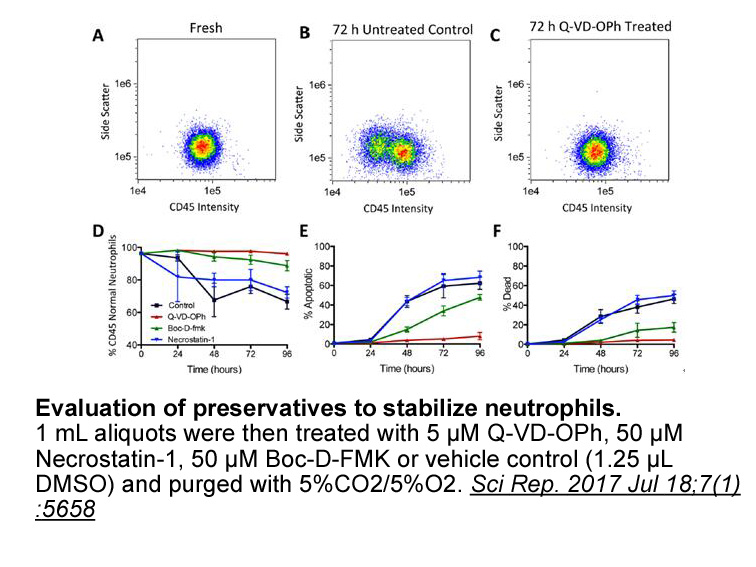
Bipartite graph Algorithm for CFC Error detection rate and overhead evaluation Test results and discussion For verifying the proof in SB 216763 from the perspective of practice, this section brings tests and analysis based on the onboard computer (OBC) of the in-service ZDPS-1A pico-sate
-
br STAR Methods br Acknowledgments We are grateful to
2020-12-22
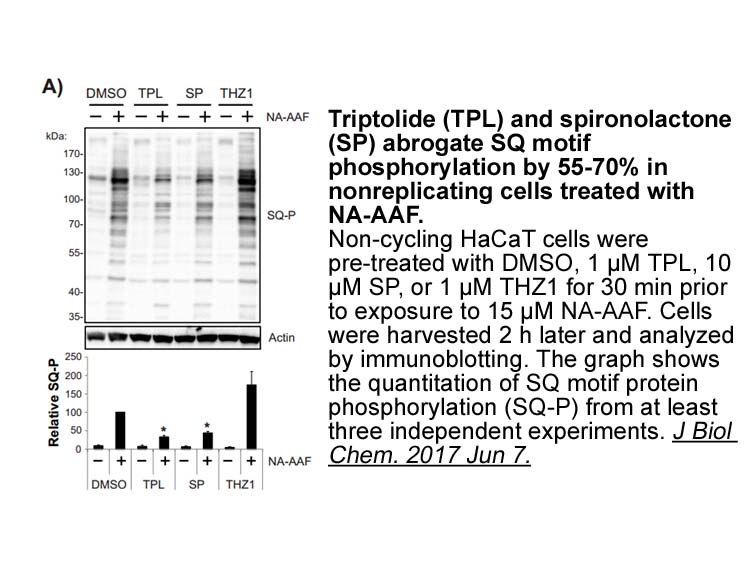
STAR★Methods Acknowledgments We are grateful to Matthias Mayer at ZMBH in Heidelberg for access to his CD-spectrometer and his help in data interpretation. Technical support by Wolfgang Weinig is gratefully acknowledged. This project was financially supported by the European Union as part of t
-
br Conclusion br Competing interests
2020-12-22
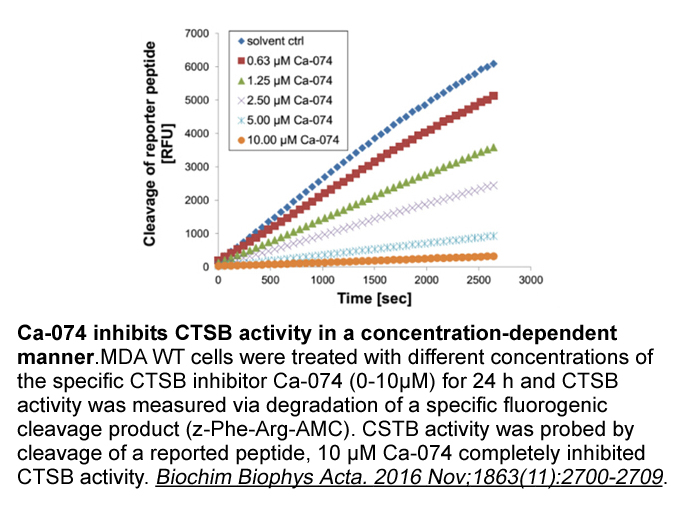
Conclusion Competing interests Authors' contributions Acknowledgements The work was supported by Aurigene Discovery Technologies (M) Sdn. Bhd., Industrial Doctoral Program sponsorship by Ministry of Higher Education, Malaysia and research grants by the University of Malaya, grant number
-
ET expression occurs in many carcinomas including
2020-12-22
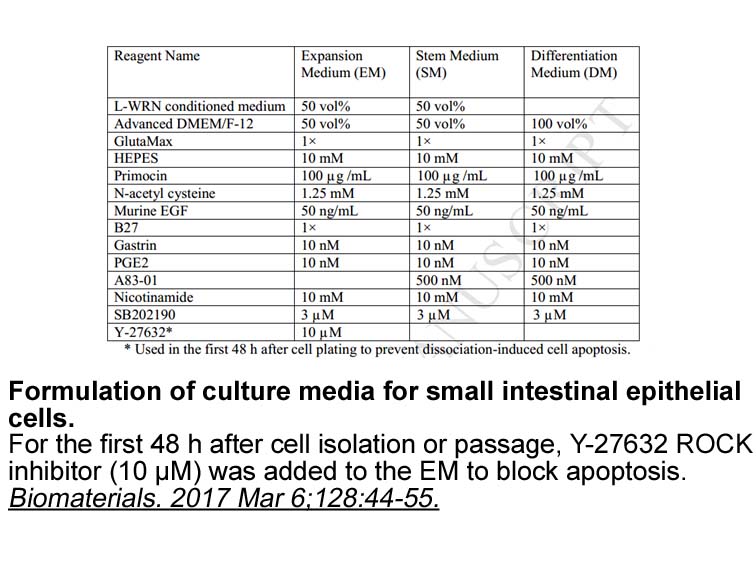
ET-1 expression occurs in many carcinomas, including those arising in the kidney [38], prostate [7], ovary [5] endometrium [39], melanocyte [40], and central nervous system [41], [42], among others [43]. The endothelin axis expression in RCC appears to be dependent upon the tumor subtype [38]. In se
14538 records 731/970 page Previous Next First page 上5页 731732733734735 下5页 Last page